

Nature's superhighways: creating joined up journeys for wildlife
Whether path, road or rail, even on a typical day, we need reliable routes to get us from A to B. Can you imagine trying to make your journey in a world where many of those routes have disappeared?
That's the reality for pollinators across England. Over the last fifty years, more than 97% of our flower-rich grassland has been lost, leaving insects with shrinking patches of habitat and the challenge of moving between them. We can help change this through the creation of nature corridors, and that’s exactly what we’re doing, especially through our GrubsUp! project.
Working across an area equivalent to around 70,000 football pitches, this project restores and creates habitat along B-Lines, the network of 'insect superhighways' mapped by conservation charity Buglife. Road verges, hedgerows, wildflower meadows, ponds, traditional orchards: each one a stepping stone, connecting landscape and giving insects a real chance to thrive. Recently the project area has expanded into Bransdale and Farndale, areas with real ecological potential but largely cut off from the wider network.
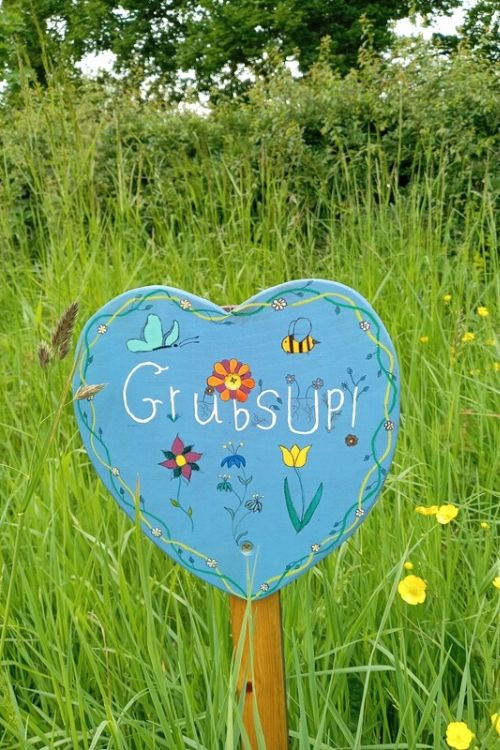
The theme of Earth Day in 2026 ‘Our Power, Our Planet’ highlights the importance of community involvement in supporting our planet and its ecosystems. Community is woven through the work of GrubsUp! Schools, local groups and partners have all played a part, from decorating blue heart signs marking rewilded verges to building wildlife homes.
In addition to GrubsUp! we’re also supporting nature connectivity in other areas of our work, along with partners. The newly designated Coast to Coast National Trail is being managed as a living corridor, encouraging native species along verges and trail edges. And it’s not just insects we’re supporting, we’ve also undertaken important work to reduce barriers to migratory fish in our rivers, helping create easier access to the routes they rely on, one project has recently been nominated for a national prize.
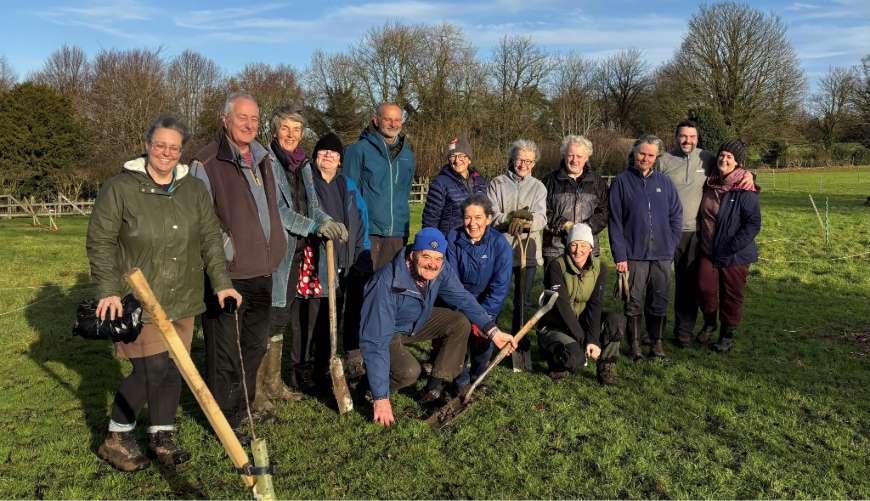
If you’re inspired and wondering how you can act on this year’s Earth Day theme, GrubsUp! Project Officer, Holly Ramsden, has some simple suggestions about where to start:
“Often all we need to do is just be slightly less tidy, leaving some grass a little longer or having a woodpile or compost heap. The more of us who do this, the more connected our habitats will be and the greater the benefits for nature. Creating shallow wet areas is also a great idea as is planting a range of native perennials. Another thing to think about is lighting. Bright, artificial light creates as much a barrier to nocturnal pollinators as a physical one. There are some great tips on our Dark Skies webpages.”